EXPLORE BY COLLECTION
What is a series? A series is a declaration of an idea, story, or deeper sense of meaning behind a collection of photographs. The curation of a series can be made before or after the declaration of said idea. Below you will find collections from our artists that we’ve chosen to showcase, each with their own unique narrative!
- All
- Anna Laza
- Arnaud Baumann
- Brooke Shaden
- Deborah Zuanazzi
- Dina Goldstein
- Idan Wizen
- Jaroslav
- Justine Darmon
- Louis Blanc
- RANCINAN
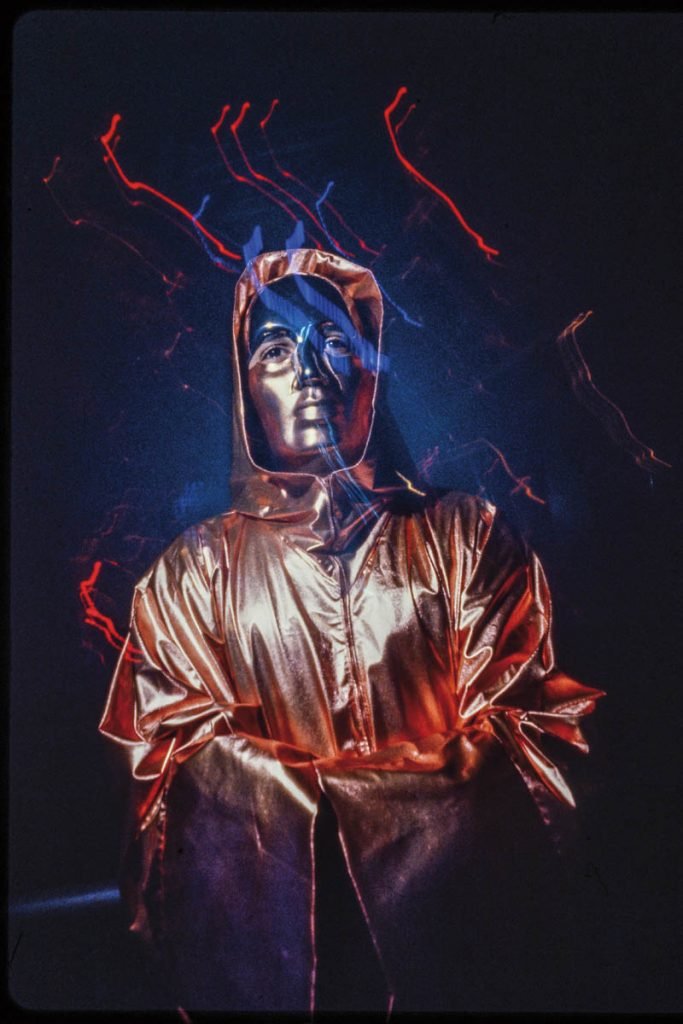
Arnaud Baumann
Immerse yourself in the legendary era of "Le Palace" nightclub. Discover the essence of fun, freedom and carelessness that marked this iconic Parisian location in April 1978. Dive into the captivating world of the works of Arnaud Baumann, who immortalizes the vibrant spirit of the past through his unique and authentic photographs. Discover the dramatic marriage of art and history, capturing the unforgettable nights of this famous nightclub. Explore the visual storytelling of an era that continues to fascinate and inspire.
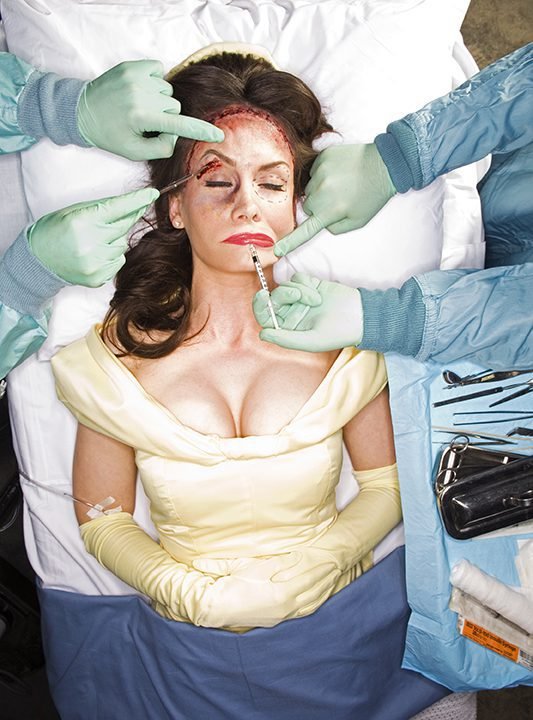
Dina Goldstein
"Fallen Princesses" by photographer Dina Goldstein is a captivating and thought-provoking collection that offers a contemporary twist to timeless fairy tale characters. Goldstein skillfully brings these princesses into the real world, confronting the often harsh realities of modern life. The juxtaposition of the magical and the mundane, where beloved princesses grapple with issues like illness, environmental degradation, divorce, and societal pressures, challenges the idealized notions perpetuated by traditional tales. Through her photography, Goldstein raises important questions about societal expectations, gender roles, and the resilience of women in the face of adversity, inviting viewers to reconsider preconceived notions and appreciate the strength it takes to navigate the complexities of today's society.
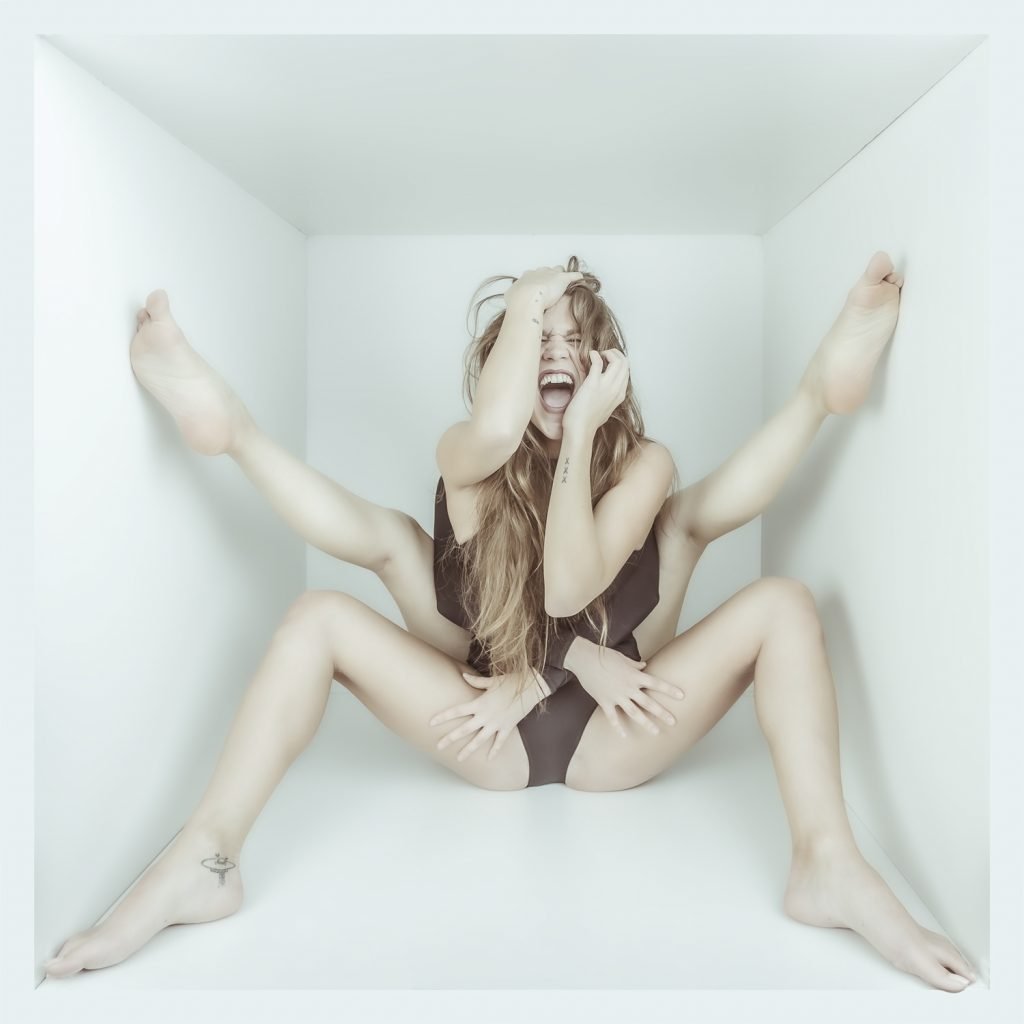
Idan Wizen
The art collection "Into The Box" emerges as a poignant reflection on our ability to find creativity and inspiration even in the most constrained moments. As the artistic world navigates through a period marked by uncertainty, this collection illustrates the perseverance and ingenuity of artists who transform isolation into a profound source of inspiration.
Conceived by the visual artist Idan Wizen during the second lockdown in France, "Into The Box" was born from a context where access to the outside world and the public was restricted. Deprived of the presence of his usual photographic subjects, Wizen then turned to himself and his collaborators as models, exploring the intimate and universal dimensions of the human experience in times of crisis.
The box, the central element of this collection, symbolizes the confined space in which we were all forced to find ourselves. Through this metaphor, the works explore a range of intensely felt emotions during confinement - from frustration and anger to contemplation and apathy. Each piece captures the essence of forced introspection, revealing the complex and often contradictory emotions that coexist within us.
"Into The Box" also poses a provocative question: is our feeling of confinement solely due to the Covid-19 pandemic, or is it amplified by the barriers we erect ourselves? By exploring this idea, the collection invites reflection on how our personal "comfort bubbles" can sometimes turn into prisons, limiting our emotional experience and our relationship with the outside world.
Through "Into The Box," Idan Wizen does not merely document a historically challenging period; he offers a mirror in which we can all look at ourselves, question our own resilience, and our ability to find light, even in the deepest darkness. This collection is an invitation to embrace all our emotions and to recognize the beauty and strength that emerge from vulnerability.
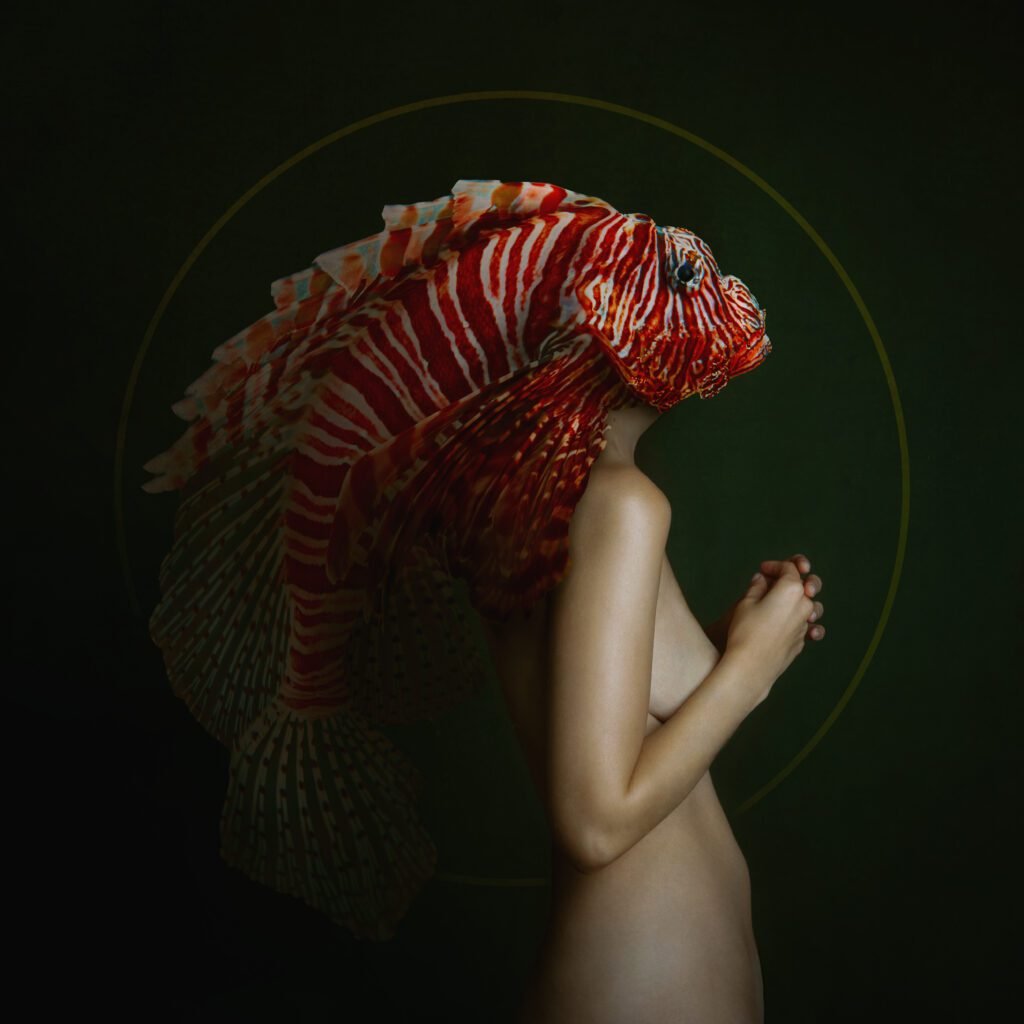
Deborah Zuanazzi
"Mutatio" is a captivating artistic photographic collection that explores the profound concept of transformation through a series of fantastic, surreal, and painterly images depicting hybrid creatures. This collection invites viewers into a mesmerizing world where the boundaries between species blur.
As viewers journey through the collection, they encounter beings that are at once familiar and alien—creatures that provoke both curiosity and introspection. Each photograph is a window into a world where transformation is not just a possibility but a fundamental truth.
The title "Mutatio," derived from Latin for "change," encapsulates the collection's core theme of metamorphosis and through these surreal amalgamations, the collection delves into the fluidity of form.
At the heart of "Mutatio" lies a meditation on the nature of change. By merging different elements, these images highlight the beauty and complexity of transformation, suggesting that identity is not fixed but constantly evolving.
With this collection, Deborah Zuanazzi invites viewers to embrace the fluidity of identity and the beauty of perpetual change; it challenges us to see the world through a lens of wonder and to recognize the potential for transformation within ourselves and the world around us.
Idan Wizen
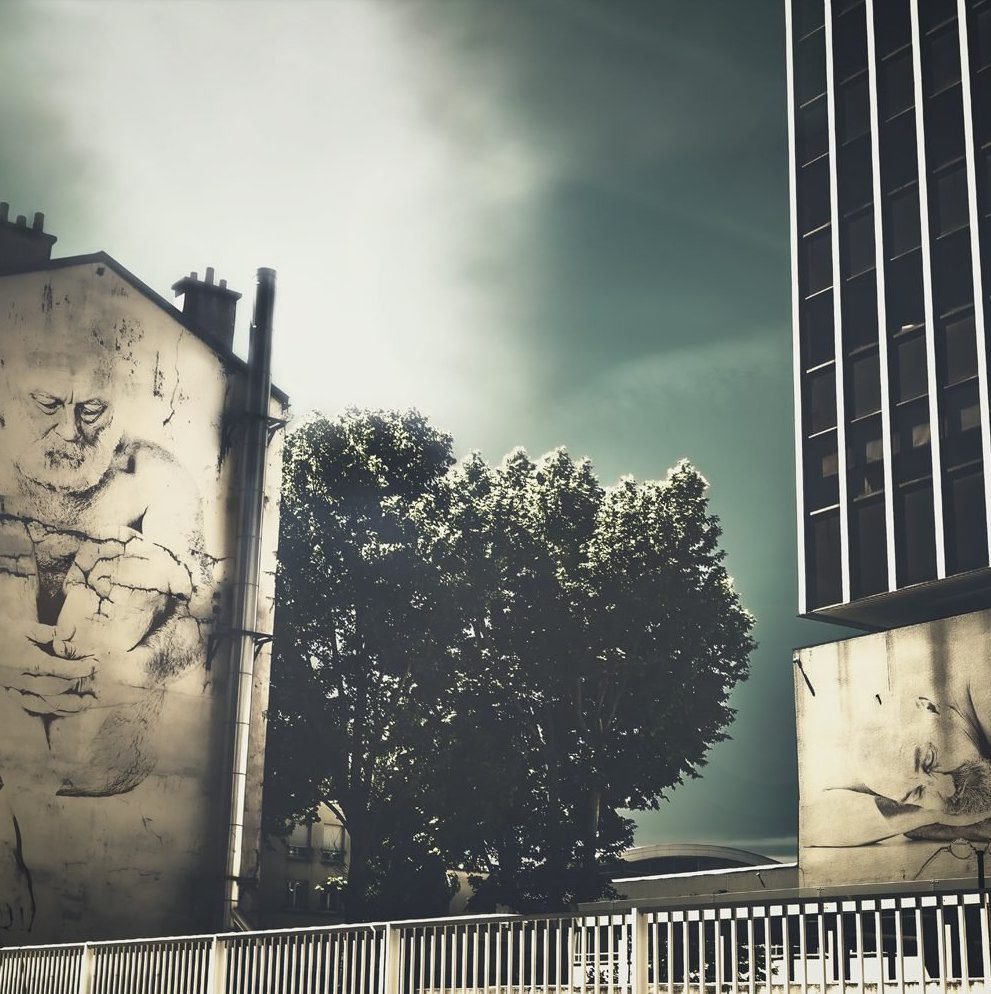
Idan Wizen's "Virtual Street Art" collection boldly merges urban architecture with raw humanity. In this innovative series, Wizen superimposes nude bodies from his Purity collection of the "Un Anonyme Nu Dans Le Salon" project onto architectural shots of cities, integrating these human forms onto building facades as if they were street art murals.
These digital artworks, which blend the rigidity of urban structures with the vulnerability of the flesh, invite a critical reflection on the visibility of nudity in public spaces. They highlight a stark contrast with the trivialization of violence and weapons, shedding light on how society prioritizes and reacts to different forms of representation.
"Virtual Street Art" is not just a tribute to the beauty of the human body; it is also a provocative commentary on the social and cultural norms that govern our perception of what is acceptable and what is not. By placing nudity at the heart of streets, Wizen challenges taboos and sparks a necessary dialogue on freedom of expression and the boundaries of censorship in art and public life.
Explore this collection, where each image is an invitation to question the codes of our society and to reassess our comfort with nudity, so vividly contrasted against the everyday symbols of conflict and confrontation.
Dina Goldstein
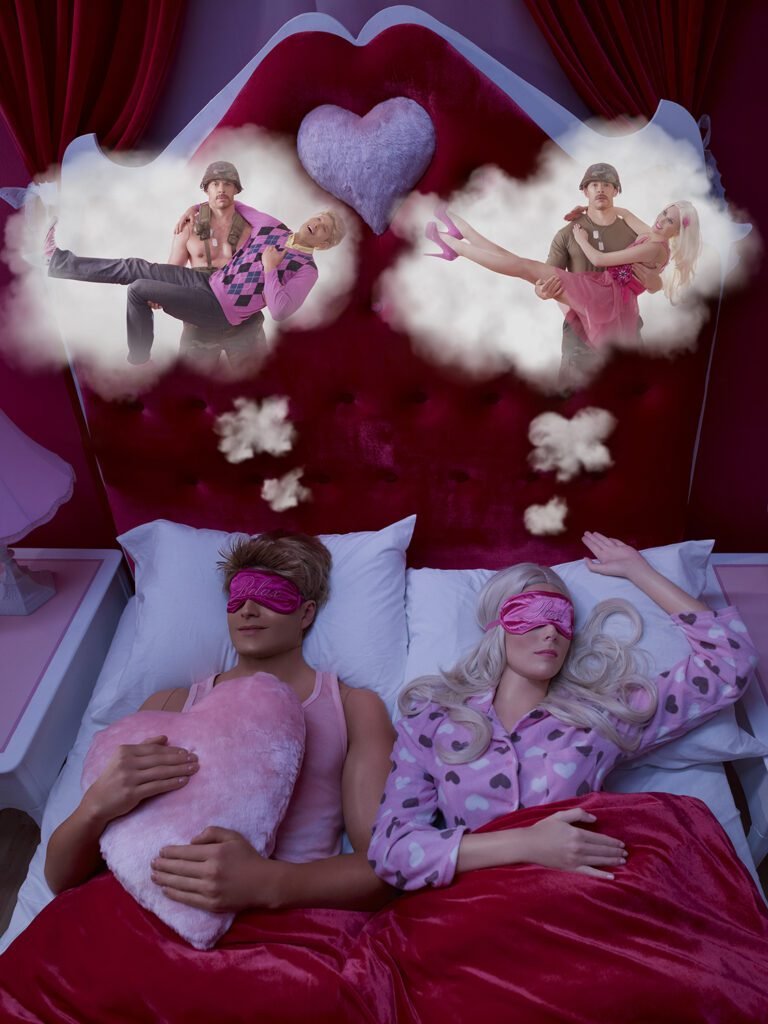
Women's realities and societal pressures are hidden in a world dominated by constructed ideals of beauty and femininity. Goldstein's collection "In The Dollhouse" deconstructs the façade of domestic perfection by presenting scenes where iconic dolls, such as Barbie, grapple with issues like aging, body image, and societal expectations. Through her lens, Goldstein provides a critical commentary on the superficial standards imposed on women, shedding light on the toll these expectations can take on one's mental and emotional well-being.

Idan Wizen
Idan Wizen wanted to represent an intergenerational dialogue between the audience of today and the representation of the children of the future. Far from a pessimistic vision of the future, it expresses the urgent need to sound the alarm for the sake of our planet and the children to come.
Through this photographic series, he urges the viewer to understand that his actions and inactions have consequences in a future going well beyond his existence and that he has a responsibility to choose beyond his immediate interest.
The underlying question of this work is of course the irreversibility of our choices and our actions: will one day be too late to reverse the course of things and can we eternally put the problems to tomorrow?

Arnaud Baumann
Water, cradle of life and the original mirror of humanity, reveals its poetry in Arnaud Baumann's "Eau Secours" collection. Each droplet that glides over the skin tells a unique story, captured with sensitivity by the renowned photographer.
In this artistic exploration, Baumann invites us to introspect our connection with water and nature. These analog prints highlight detail, expression, and emotion. Under the shower, a moment of vulnerability and sincerity, faces reveal themselves, personalities emerge, and stories are whispered silently. This intimate contact with water evokes a range of reactions, from surprise to meditation, ecstasy to melancholy.
More than simple photographs, these images are artworks, signed and numbered by the artist. With his documentarian's eye and humanist heart, Arnaud Baumann captures fleeting moments of truth. His models, whether artists, writers, scientists, or unknown individuals, share a part of their intimacy, offering a kaleidoscope of society in search of existential answers.
The high-quality prints on metallic paper, where water appears like pearls or precious crystal shards, captivate the eye and invite contemplation.
Each portrait is an invitation to reconnect with the very essence of life.
Dans cette exploration artistique, Baumann nous convie à une introspection sur notre lien avec l'eau et la nature. Ces tirages argentiques subliment le détail, l’expression, l’émotion. Sous la douche, moment de vulnérabilité et de sincérité, les visages se dévoilent, les personnalités émergent, et les récits se murmurent silencieusement. Ce contact intime avec l'eau suscite une gamme de réactions, de la surprise à la méditation, de l'extase à la mélancolie.
Plus que de simples photographies, ces images sont des œuvres d'art, signées et numérotées par l'artiste. Arnaud Baumann, avec son œil de documentariste et son cœur d'humaniste, saisit des moments éphémères de vérité. Ses modèles, qu'ils soient artistes, écrivains, scientifiques ou inconnus, nous livrent une part de leur intimité, offrant un kaléidoscope de la société en quête de réponses existentielles.
Les tirages de qualité sur papier métallisé, où l’eau apparaît comme des perles ou des éclats de cristal précieux, captivent le regard et invitent à la contemplation.
Chaque portrait est une invitation à renouer avec l'essence même de la vie.
Jaroslav
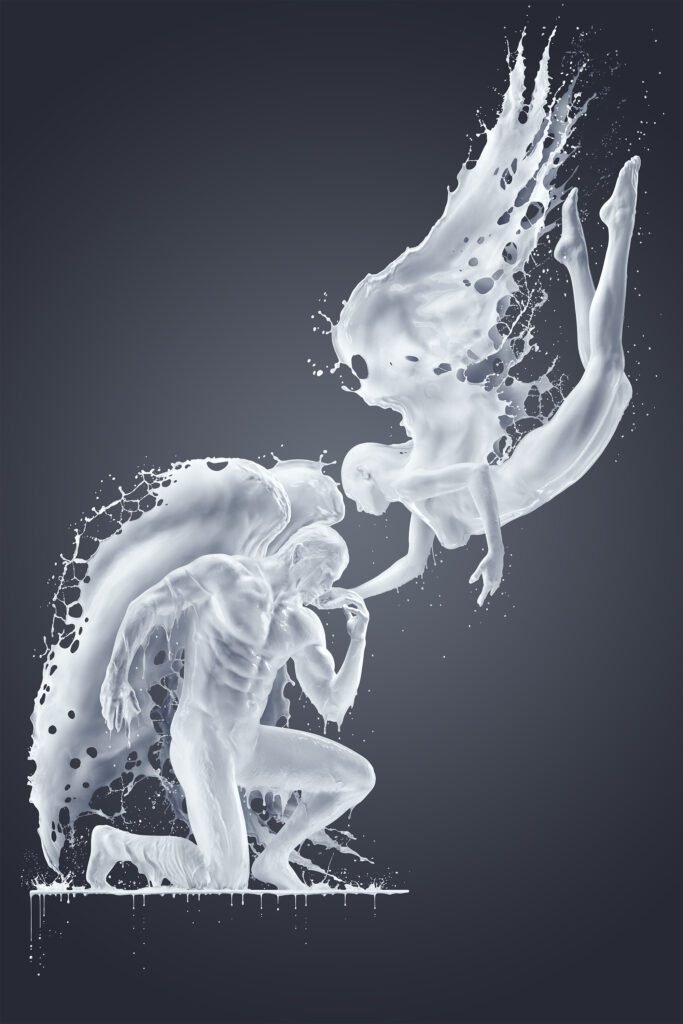
Few photographic series manage to encapsulate both the weight of profound personal suffering and the grandeur of artistic transcendence as effectively as Jaroslav Wieczorkiewicz’s Fallen Angels. This evocative body of work stands at the crossroads of fine art, mythology, and high-speed photography, constructing a visual language that speaks to grief, trauma, and the resilience of the human spirit.
Rooted in the artist’s deeply personal experiences—bearing witness to his mother’s battle with cancer, the loss of his father to depression, and the devastation of miscarriage, all within a single year—Fallen Angels is not merely a photographic exercise but a visceral act of catharsis. Each image becomes a manifestation of sorrow made tangible, a means of externalizing inner fractures while inviting viewers to confront their own narratives of loss.

Idan Wizen
“Who’s That Nude in the Living Room?” is a unique artistic project which aims to constitute the largest photographic series ever made representing humanity as it is, in its most natural state, its nudity and its diversity.
Developed by photographer Idan Wizen, this concept of photographic art aims to bring together thousands of models, volunteers of all ages and from all social categories to constitute a huge gallery of portraits of men and women of today who have agreed to show themselves as they are, nude.
These photographs, in their multitude and the originality of each one of them, their dynamism and their naturalness, show to universal human beauty, far beyond the restrictive socio-cultural and aesthetic criteria of our time.
Anyone who poses in his simplest device participates by his own personality, his differences and his particularities in the universality of humankind.
Idan Wizen has chosen to exacerbate the true authenticity of each of his models, breaking their possible masks, exposing through each of them, the simple and nude beauty of human nature.
He also defies the usual criteria of nude photography with his shocking photos, with a strong artistic bias, where the spontaneous provocation of one model can interact with the cheerful and naive expression of another or the modest revelation of a third.
Through the uniformity of the beauty criteria of our society as well as its modes of expression, “Who’s That Nude in the Living Room?” opposes the multitude, the variety, the strength of character, the movement, the surprising and the natural to the state gross of mankind.
Each photo is unique just like its model and never touched up. This inevitably challenges us and creates in us a curious feeling of closeness, of belonging. Because these models are all of us.
Moved or upset by the freshness of a smile, the roundness of a curve, a playful look, a cry of defiance or the fragility of a silhouette, we would like to keep one of these photos with us, the image of a being among the multitude of the human race, a nude in the living room!
Brooke Shaden
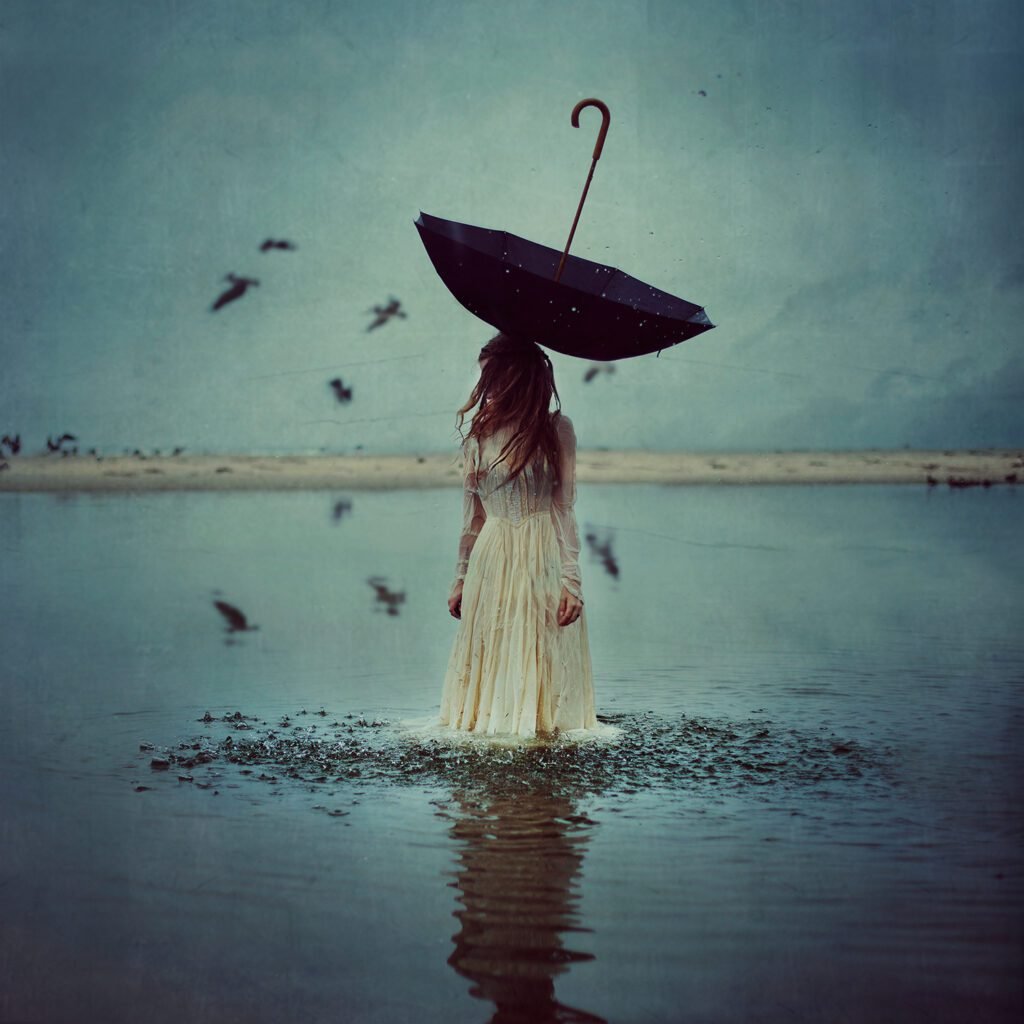
In her compelling collection "Exploration of Self," artist and photographer Brooke Shaden delves deep into self-examination and discovery. Each piece in this series unveils an aspect of her personal journey through self-portraiture, providing a reflective soul's mirror where inner duality and existential inquiries are illuminated. Born from the vast creative expanse of her mind, this collection emerged as a quest to decipher the mysteries of her being.
"Exploration of Self" sees Shaden navigating through the shadows and light of her identity, weaving visual stories that transcend mere representation. She creates dreamlike worlds where every element, texture, and color contributes to the narrative of deep introspection. Her images become catalysts for personal reflection, inviting viewers to embark on their own soul-searching journey.
This collection signifies a period of transition and growth for Shaden, utilizing photography as a tool to confront and embrace the hidden facets of her personality. "Exploration of Self" epitomizes her ability to turn vulnerability into strength, revealing raw beauty in the act of self-revelation. Each image is a step towards understanding her fears, desires, and dreams, in a journey that is both personal and universal.
Known for her innovative approach and impeccable technique, Brooke Shaden continues to captivate and inspire with "Exploration of Self." The collection has been featured in numerous galleries and praised for its emotional depth and unique aesthetic. Through this work, Shaden not only discovers herself; she extends an invitation for all to embark on a similar quest for self-exploration, once again proving why she is considered a significant voice in contemporary art.
Louis Blanc
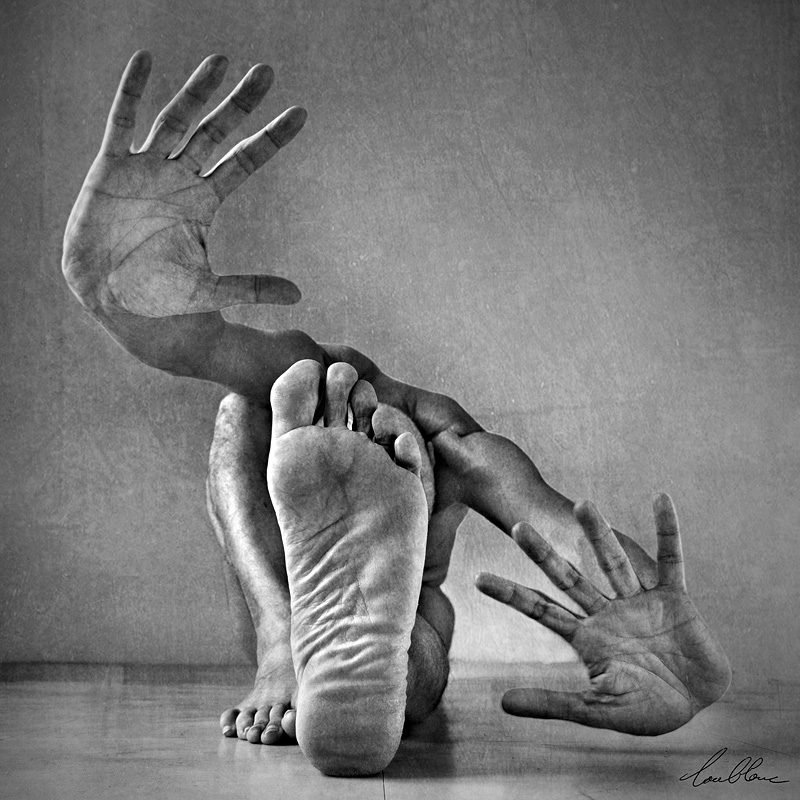
The photographic series cORpuS, created by the self-taught French artist Louis Blanc, is a fascinating journey into the universe of human body representation. Born in 2011, after a series of experiments and personal reflections intensified by Blanc's switch to professional DSLR equipment, cORpuS stands out for its ability to capture the complexity, beauty, and sometimes the strangeness of the human body.
Each photograph in cORpuS is the result of a unique creative process, often starting with a vague idea and evolving through a series of trials and errors until it reaches a form of expression that defies conventions. Blanc employs self-portrait techniques to stage his own body in contortions that push the limits of bodily expression, using a timer and remote control to capture these intense moments of solitude and self-discovery.
The neutral background of the images highlights the main subject: the body itself, distorted, stretched, sometimes posed unsettlingly, but always captivating. It's an exploration of the human form that invites reflection on the human condition, on fragility, strength, beauty, and anxiety that can be expressed through the sole language of the body.
Since its launch, cORpuS has generated keen interest and has been exhibited in over 40 international exhibitions, from France to Japan, and from New York to Italy and Russia. This series has not only been critically acclaimed in publications like La Provence and Réponses Photo but has also been recognized in international media, including Monaco Culture and the Tribune de Genève.
Through cORpuS, Louis Blanc does more than capture images; he provokes a dialogue with the viewer, a dialogue where the contours of the body speak of deep emotions, untold stories, and beauty in imperfection. This series is a testament to Blanc's artistic vision, a vision that continues to evolve and captivate a global audience.
Dina Goldstein
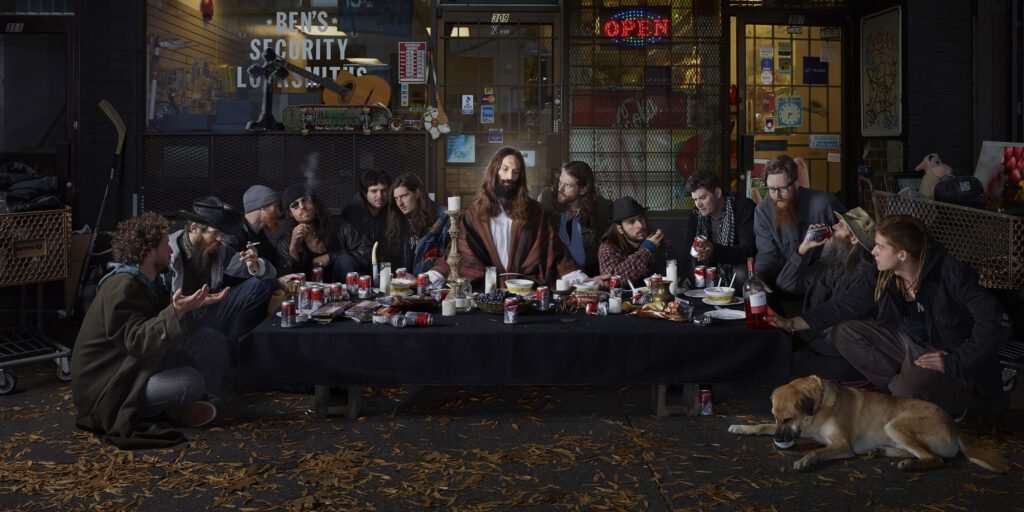
This collection examines the personas of ordinary individuals amidst the backdrop of suburban life. Through a striking series of photographs, Goldstein challenges the notions of contemporary mythology, juxtaposing iconic gods and goddesses from various cultures with the mundane reality of suburban existence. This thought-provoking collection peels back the layers of our culture, revealing the aspirations, struggles, and desires of modern society against a backdrop that is both familiar and surreal.
Arnaud Baumann
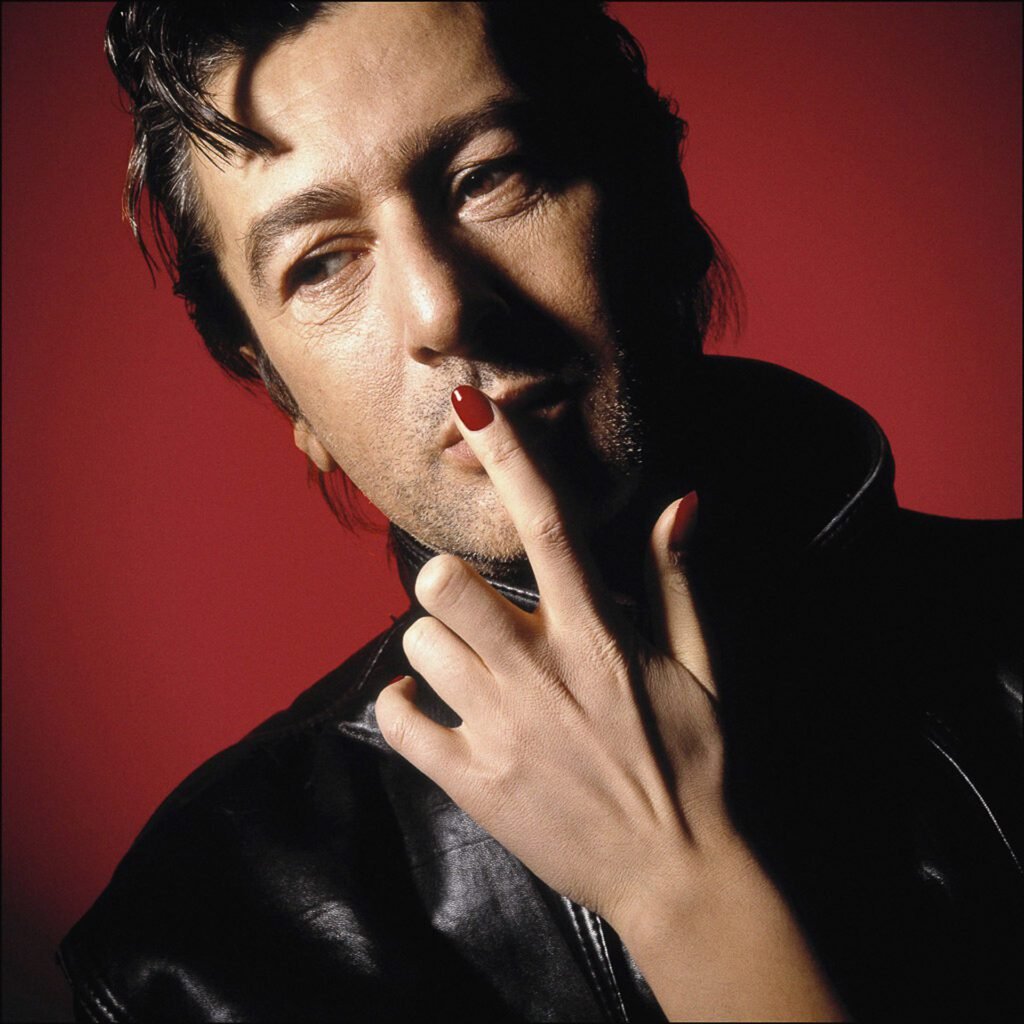
Who's Who is the directory of people who are supposed to be important in the life of a country. The first English edition dates from 1849, the French from 1953. Arnaud Baumann's more recent, fresher, more unbuttoned Who's Who began in the '80s, when as a young photographer, he began to frame in his viewfinder people who mattered, particularly to him. For example, the libertarian squad of the newspaper Hara-Kiri, of which there remains a spirit, a disruptive and ill-bred body of work, a legacy, an offspring, a tragedy - the Charlie Hebdo massacre in January 2015 - and a book-bible, Dans le ventre de Hara Kiri (Éd. La Martinière, 2015), a tumultuous echography produced by Arnaud Baumann with his long-time alter ego, photographer Xavier Lambours. The difference between the ordinary Who's Who and his is that in his, it's the texts that are brief and secondary, and the photos that are big and important.
Arnaud Baumann
Photography, like all art forms, is a quest for something. For oneself? For truth? For provocation? Twenty-five years ago, the liberated post-'68 generation could enjoy many pleasures without too much fear of unemployment, not yet of AIDS, and less than today of ideological and religious extremism.
In the '80s, the imminent fall of the Berlin Wall and a Europe on the move would abolish some of the borders and archaic miseries that had been set up between peoples... We lived in the hope of a better world. A freer world.
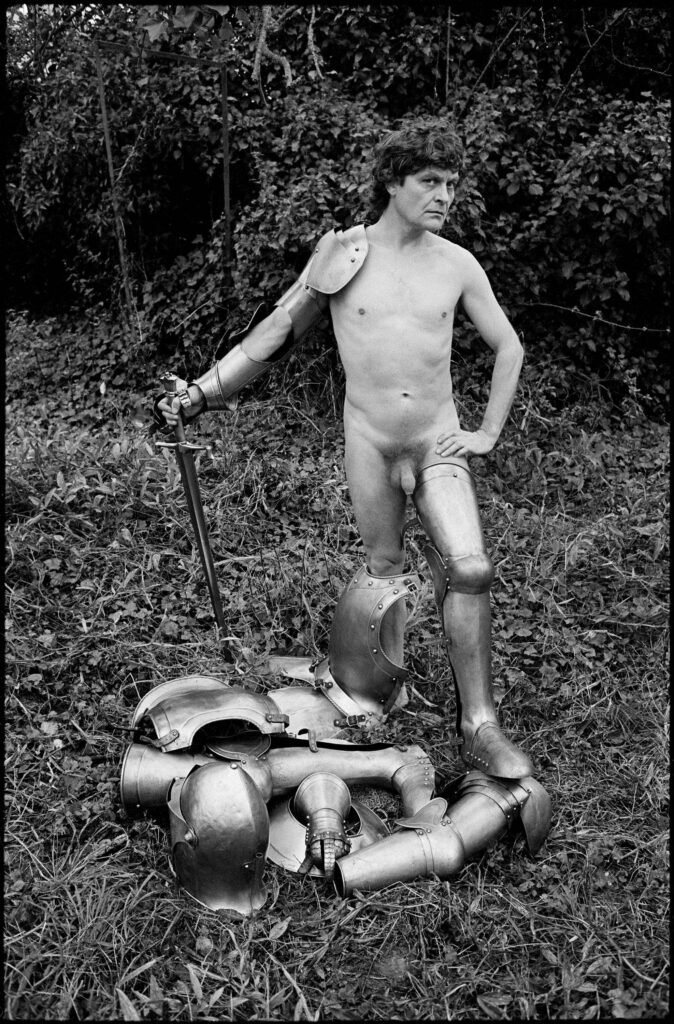
My thirst for freedom, combined with a search for identity, led me to have my friends and acquaintances pose for me in the simplest of poses, detached from any aesthetic considerations.
"Little Black Book" (published by DTV), a collection of nude portraits of famous and unknown people, proclaimed the truth of the gaze, without complexes or complacency.
At a time when European agreement is struggling to survive, other threats, climatic or conflictual, are darkening the horizon.
Added to this is the return of the narrow morality of our elders.
My ever-vital quest for truth leads me to risk shock by showing this personal, unbridled but assumed work, the uncompromising work of my early years as a photographer.
Idan Wizen
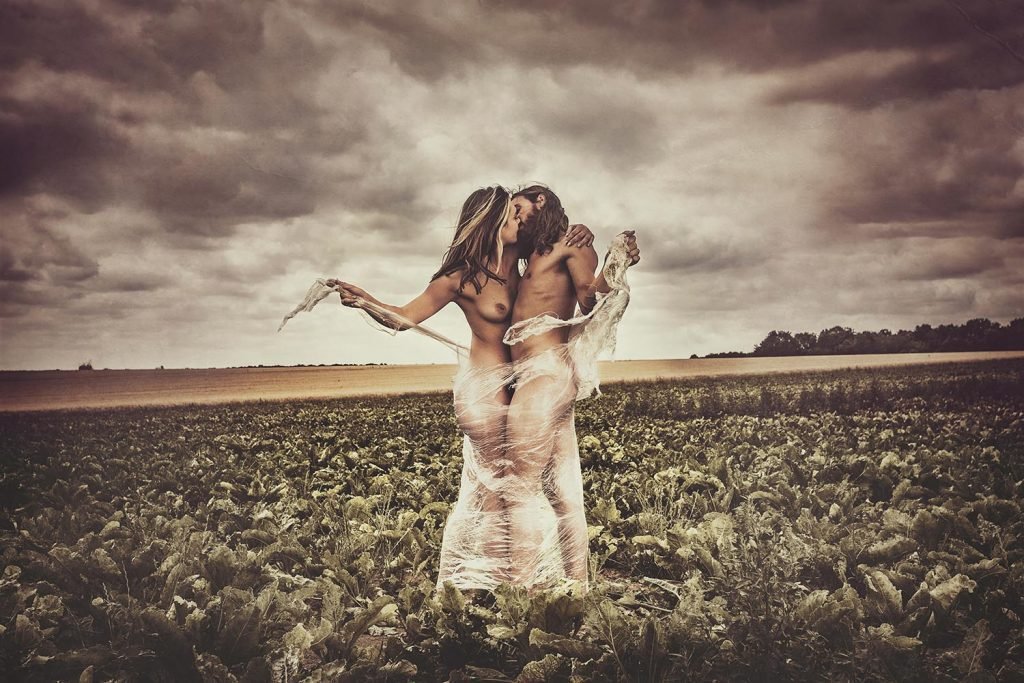
In today's society, we often find ourselves chained by different problems such as social networks, over-consumption, work, unhealthy relationships. Emancipation and self-fulfillment are therefore key elements needed in the pursuit of happiness. To achieve this, however, we must face many obstacles, challenges, and hinders. The objective of the new ongoing Hinders collection is to show how much humanity is blinded by everyday issues not realizing those chains around.

Gerard Rancinan
The acceleration of history, the desire for unalterable beauty, the quest for eternity, the tireless longing for a Promised Land, the self-destructive impulse, the virtualization of the world, and the imperative of modernity: all these factors compel us to pay close attention to the Metamorphoses affecting humanity.
For the first time, humankind has reached the limits of its innovations. With Hiroshima, it summoned the specter of total annihilation. Since then, we have entered a world that eludes us entirely. Caught in the cogs of an infernal machine, human beings have become slaves to their own creations.
Gérard Rancinan follows the thread of art history, establishing links with classical artists and appropriating universal themes to depict his era and its great upheavals. In the “Raft of Illusion,” the slaves of yesteryear have become unemployed migrants, prepared to risk their lives for the ambiguous lure of distant shores. In “The Big Supper,” Leonardo’s ascetic masterpiece is transformed into an orgy of cheap, brightly colored food, while a disdainful host opts for more organic fare.
By posing a series of ethical questions, Caroline Gaudriault—co-author of the series—and Gérard Rancinan appeal to our conscience. “Metamorphoses” is a provocation, a call to reflection.
Anna Laza
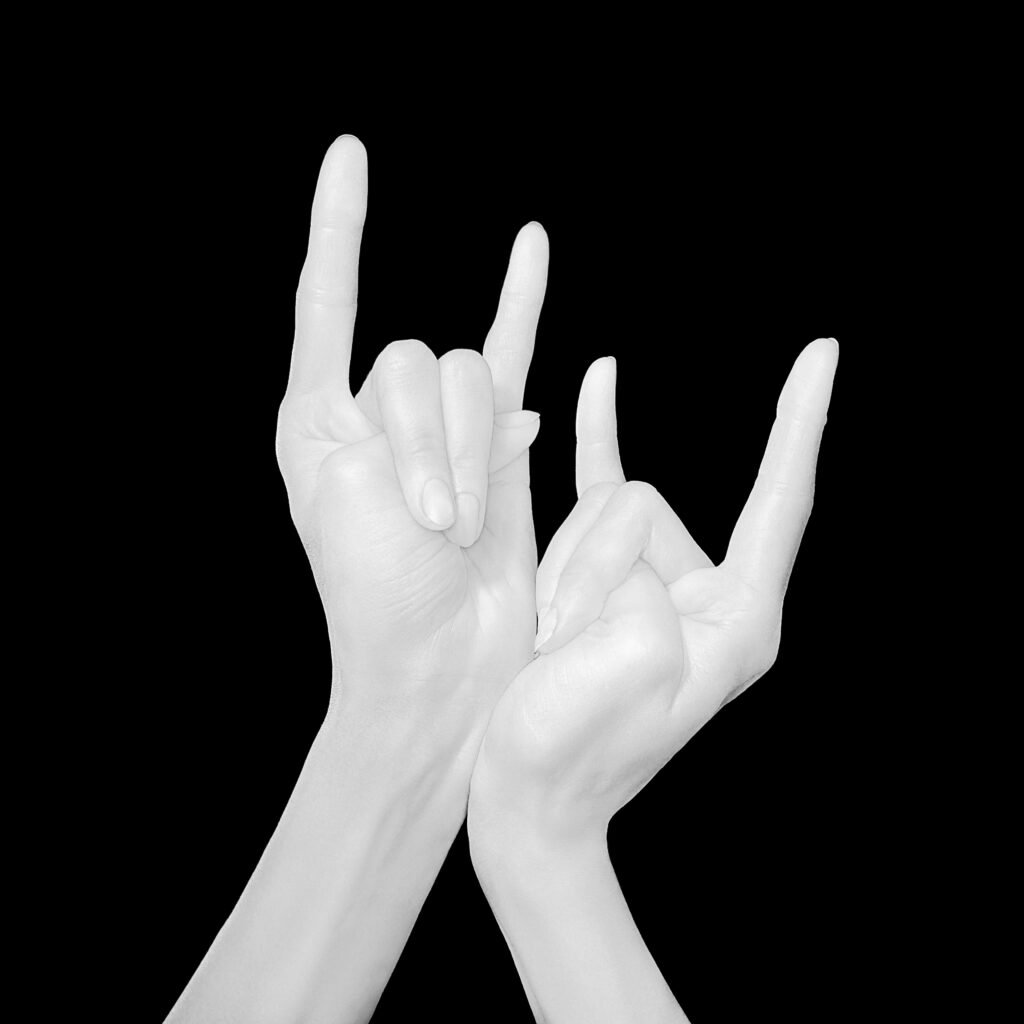
The project "Story of Love" by Anna Laza is a poetic exploration of the silent eloquence of human hands, expressed through the timeless medium of black-and-white photography. Here, hands become the sole protagonists, each gesture revealing a chapter in the intricate tapestry of human emotions and relationships. In this collection, Anna captures the raw and tactile essence of emotions—affection, trust, unity, and even anger. Each photograph is a narrative in itself, depicting the universal story of human connection through the language of physical touch.
"Story of Love" is a celebration of the timeless bonds that unite us all, capturing the universal language of touch in its purest and most expressive form. Through her lens, Anna Laza invites us to witness the profound beauty and complexity of human interaction, offering a glimpse into this silent yet eloquent language that speaks volumes about our shared humanity.
Anna Laza, an influential visual artist in the field of art photography, weaves a tapestry of innovative styles through her lens. Her projects delve deeply into the realms of shooting and post-production, creating a unique fusion of technique and emotion. Acclaimed internationally, her work has not only been exhibited worldwide but has also won numerous prestigious awards, including honors at renowned competitions such as LensCulture.
Anna's art finds its place in the pages of esteemed photography magazines, and her keen eye is often sought for inclusion in prestigious juries at photographic events. Beyond her personal creations, Anna is the visionary behind FotoSlovo, a magazine dedicated to discovering and celebrating emerging talents in photography each year.
Deborah Zuanazzi
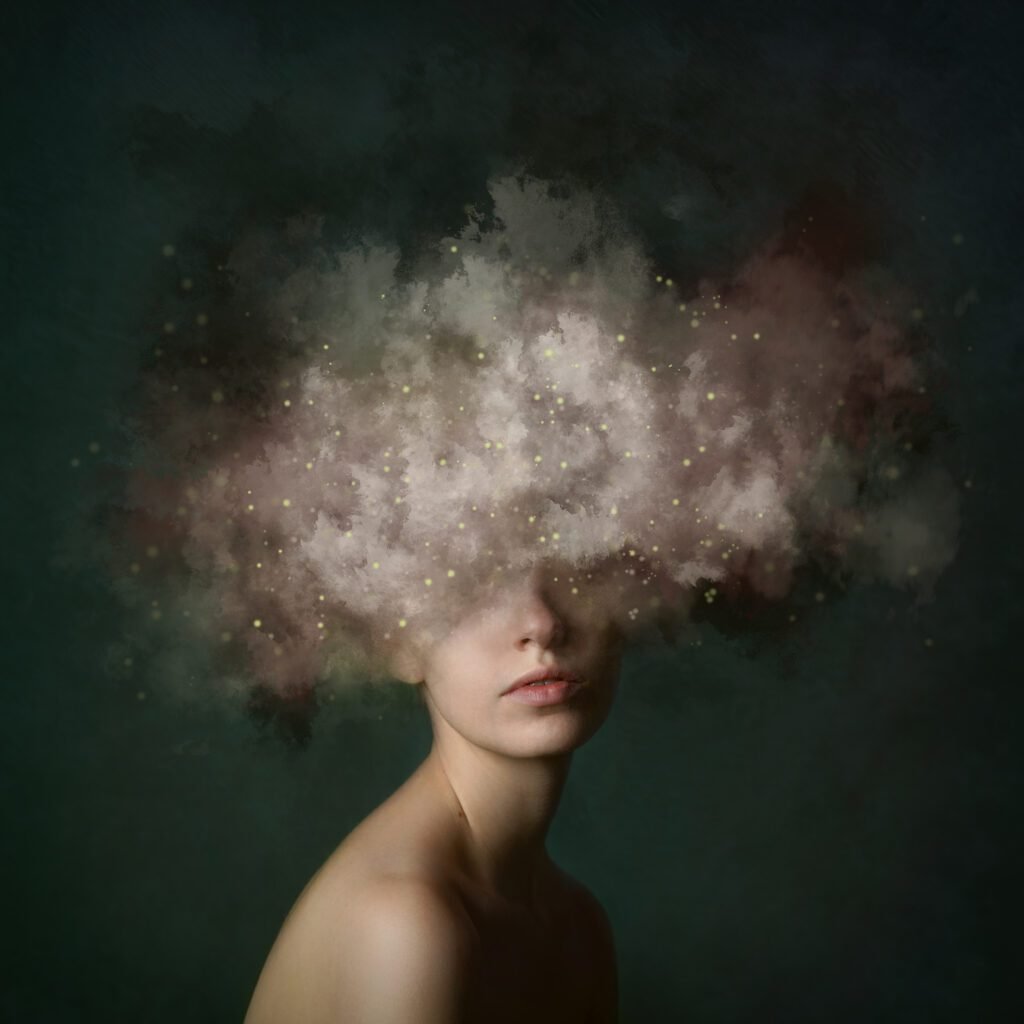
"Ab Intus" is an artistic photographic collection that offers viewers a glimpse into the hidden depths of the human experience through surreal imagery. Each image within this collection serves as a portal to the innermost sanctums of the subjects, revealing worlds of emotions, desires, fears and memories.
The title, "Ab Intus," from Latin for "from within," serves as a poignant reminder of the collection's central theme: the exploration of the internal landscape. Through a series of surreal and captivating images, the collection invites viewers to embark on a journey into the depth, leading us into windows of worlds where reality merges with imagination and the boundaries of perception are blurred.
At the heart of this collection lies a fascination with the hidden realms of consciousness—the thoughts, feelings, memories, and dreams that shape our lived experience. Each image offers a unique perspective on the inner realms of the subjects, from abstract representations of emotion to intricate depictions of memory and desire.
With this collection, Deborah Zuanazzi invites viewers to explore the vast expanse of the inner self, and to contemplate their own inner worlds and the myriad emotions that reside within; a journey into the inner realms and the mysteries that lie within.

Justine Darmon
Justine Darmon is deeply inspired by the absolute generosity musicians show towards their audience: those suspended moments when emotion and joy transcend all notion of time. On stage, each artist fully immerses themselves, crafting sounds that reach deep into listeners, guiding them into profound introspection.
Through her photographs, Justine Darmon reveals this internal journey, finely capturing the essence of each musician and their power to ignite in others an irrepressible desire to live, excel, and share. Focusing on Jazz and World Music, she expresses her sensitivity towards the cultural diversity and openness to the world embodied by these musical genres.
Her images subtly convey the unique dynamics among artists, the raw, almost primal energy, and visceral emotions unleashed by the music, thus offering a sublime vision of this sensory experience.